




I tried Scrambly as an entertainment app with a simple idea: discover games through one place, spend time playing them, and receive rewards when the activity qualifies. That makes it different from a normal game library. I was not opening it only to find something fun for a few minutes; I was also judging whether the reward layer made the experience more worthwhile than downloading games directly.
The first thing to understand is the cost. Scrambly is free to install, so there is no purchase required to begin using it. That matters because the app’s value depends on how comfortably it fits into spare time, not on recovering an upfront payment. I would still treat rewards as an extra benefit rather than guaranteed income. The free entry is clear; the personal value depends on the games available to you, the time you are willing to spend, and how smoothly you can complete the required activity.
How Scrambly feels in everyday use
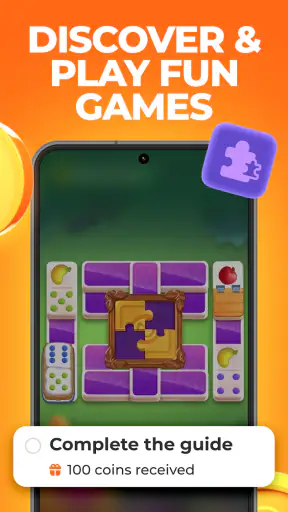
The app comes from Scrambly, and its focus is entertainment rather than general shopping, finance, or productivity. In practice, I found the most useful way to approach it was as a discovery tool. Instead of searching randomly through an app store, I could browse opportunities in one place and decide which ones looked suitable for the amount of time I had available.
That distinction is important. Scrambly is not a replacement for every game on Android, and it is not designed to make a game enjoyable simply because a reward is attached to it. The underlying game still has to hold your attention. If I chose something only because its reward looked attractive, the experience quickly became less appealing when the tasks felt repetitive. The strongest use case is finding a game I might genuinely try anyway, then allowing the reward to improve the value of that session.
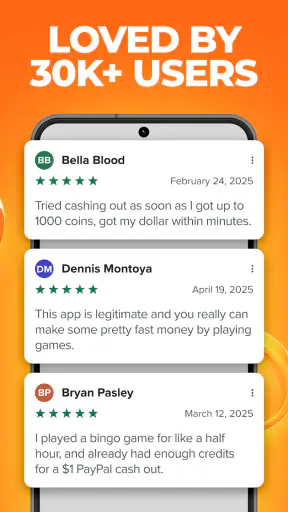
The store information presents it as a free entertainment app for discovering games, earning rewards, and cashing out. The product has built a sizable audience, with more than a million installs, an average rating of 4.5 from roughly 127 thousand ratings, and about 18 thousand written reviews. Those figures suggest that the basic concept is easy for many people to understand, although popularity alone does not guarantee that every offer will suit every user.
I also noticed why a service like this can feel more convenient than switching between unrelated apps. A regular game store helps me find downloads, but it does not organize the discovery process around rewards. Scrambly adds that extra reason to compare options before I commit time. The practical advantage is not that every game becomes better; it is that the decision about what to try becomes more deliberate.
What the free price really means
There is no charge to download Scrambly, and that makes testing it relatively low risk. I can install it, look through the available opportunities, and decide whether the process fits my habits without first paying for access. For someone who already spends time trying mobile games, that free starting point is the main financial attraction.
Free access should not be confused with a promise that every minute produces the same value. The app is best viewed as a way to add a possible reward to entertainment I was already willing to do. If I normally play a game for ten minutes and then stop, a reward system may make that session feel more useful. If an offer requires far more time than I would normally give the game, the free download does not automatically make the trade worthwhile.
I would also avoid making decisions based on a reward headline alone. The important question is how the activity fits into my own schedule. A short session during a commute, a quiet evening, or a break between errands can be a sensible use. Spending hours on a game I dislike purely because I have started an offer is a different calculation, and one where the entertainment value may disappear.
Because the app is free, the real “price” is usually attention and time. That is not a monetary charge, but it is still a cost. I recommend deciding in advance how long I am willing to try a particular game. This simple limit prevents the reward from turning into a reason to continue long after the activity has stopped being enjoyable.
Where the value comes from
Scrambly’s value comes from combining three activities that are normally separate: finding a game, playing it, and working toward a reward. For me, the discovery part is more useful than the idea of earning on its own. I can compare available choices before downloading something, rather than filling my phone with games that I may never open again.
A practical workflow is to browse first, select an offer that matches my interests, and read the requirements carefully before starting. I would then keep track of what I have done and whether the progress is being recognized. This is more reliable than installing several games at once and trying to remember which activity belongs to which offer.
That last point is one of the less obvious trade-offs. Reward-based discovery can encourage experimentation, but it can also create clutter. If I accept every appealing option, my device and my attention become scattered. I get better value by choosing one opportunity at a time, especially when I want to understand whether the app’s process suits me rather than simply collecting downloads.
Another useful approach is to separate entertainment value from reward value. I ask myself two questions: would I enjoy this game without the reward, and is the required time reasonable for me? If the answer to both is yes, Scrambly has probably helped me find a good match. If the answer to both is no, the reward is doing all the work, and that usually makes the experience feel more like a chore.
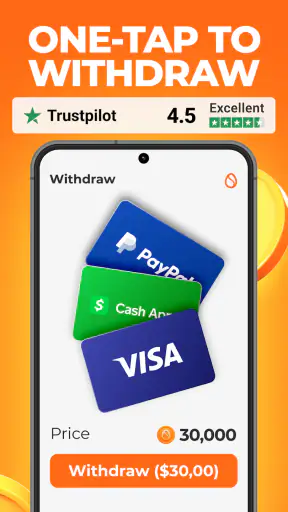
The cash-out element is also central to the appeal. A reward has more practical value when the process of claiming it is clear and convenient. I would check the in-app instructions before investing significant time, then make sure I understand what progress is being recorded and what steps are needed to redeem it. This is a better habit than assuming that every visible reward can be collected immediately or in the same way.
Small habits that improve the experience
My first tip is to treat each offer as a separate project. Before playing, I would note the game, the objective, and the point at which I plan to stop. This reduces the chance of confusing multiple tasks and gives me a realistic way to judge whether the reward is worth the effort.
My second tip is to use Scrambly during time that would otherwise be spent browsing aimlessly. That might be a short evening session when I want something light, rather than a dedicated block of valuable free time. The app works best when it adds structure to casual play, not when it pressures me to reorganize my day around it.
My third tip is to reassess quickly. If a game is unpleasant after the first session, I would not continue solely because I have already started. Starting an offer creates a temptation to chase completion, but sunk time should not decide what I do next. The ability to walk away is part of getting fair value from a free service.
A fourth consideration is device space and notification fatigue. Game discovery can lead to more installations and more reminders than I actually want. I prefer removing games that no longer interest me and keeping the reward app itself from becoming another source of constant interruption. This is a small housekeeping step, but it keeps the entertainment side in control.
Limitations I would keep in mind
The biggest limitation is that reward value cannot be judged only by the existence of an offer. The game still determines whether the time feels enjoyable. Someone who wants a carefully curated collection of premium games may prefer a conventional game store or a paid title with no reward conditions. Scrambly is more suitable for exploration than for finding a single polished game and playing it without distractions.
There is also a psychological trade-off. Rewards can make ordinary play feel productive, but they can also encourage me to continue past the point where I am having fun. I think the app is healthiest when I use it as a filter for new games, not as a reason to treat every session like work.
Users who dislike switching between apps may find the process less appealing. The discovery layer is useful, but it adds another step compared with simply opening a familiar game. Likewise, people who already know exactly which games they want may gain little from browsing reward opportunities. The app’s usefulness is highest when I am open to trying something new.
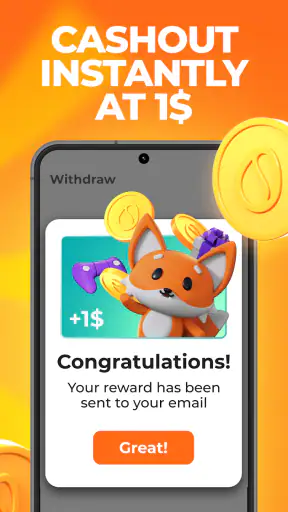
I would also be careful about expectations around cashing out. The store summary emphasizes instant cash-out, which is an attractive part of the concept, but I would still follow the current in-app instructions closely and confirm that I have completed the relevant requirements before relying on a reward. A sensible user treats redemption as a process to understand, not an assumption to make.
Who is most likely to get real value?
Scrambly is a good fit for casual players who enjoy sampling mobile games and want a possible benefit attached to that habit. It can also suit someone who has short pockets of free time and prefers choosing from a list rather than searching through a large app store. The free price makes it easy to test without committing money.
Imagine I have finished my evening chores and want something to do for twenty minutes. Instead of downloading the first game that appears in a store search, I can open Scrambly, compare the available choices, select one that matches my taste, and use the session to see whether both the game and the reward path feel worthwhile. If I enjoy the game, the reward is a bonus. If I do not, I can stop without having paid for access.
It may also be useful for people who like measurable goals. Some players enjoy seeing progress and working toward a clear outcome, even in games they would not normally choose. Scrambly gives that style of player an additional reason to explore. The key is keeping the goal small enough that the activity remains entertainment rather than obligation.
On the other hand, I would skip it if my priority is uninterrupted gaming, a premium experience, or a specific title that I already have in mind. It is also a poor match for anyone who tends to chase rewards compulsively or who expects a dependable substitute for regular income. The free installation is appealing, but the time commitment still needs to make sense.
How it compares with ordinary game discovery
A standard app store is better when I want the widest possible selection, detailed game pages, or a direct route to a known title. It is also simpler when I do not want a reward layer influencing my choice. Scrambly’s advantage is narrower but clear: it puts reward-oriented discovery at the center of the experience.
Compared with playing games directly, Scrambly adds a planning step and a reason to compare options. That can be valuable for curious players, but unnecessary for someone who already has a favorite game. Compared with other entertainment apps, its identity is less about watching or listening and more about turning game discovery into a structured activity.
For me, the best comparison is not “which service pays more,” because that would require assumptions beyond what I can responsibly judge. The better question is whether the app improves the way I choose and use mobile games. When it helps me find something enjoyable during spare time, it earns its place. When it makes me play an unwanted game only to pursue a reward, a normal game store is the better option.
Device details and overall recommendation
Scrambly is listed as an app for Android, free to use, and suitable for Everyone. It was released on November 13, 2023, and the current version is 0.15.0, with Android 8.0 or later required. Those details make it accessible to many Android users, while the age classification also indicates that its general audience is broad.
I would install it with modest expectations: not as a money-making job, but as a free way to discover games and potentially receive rewards for time I was already willing to spend. I would begin with one offer, read its requirements, set a time boundary, and check the redemption steps before investing heavily. That workflow gives me a fair test without letting the reward system take over my schedule.
My verdict is positive for the right person. Scrambly is most valuable when the game remains enjoyable even without the reward. It gives casual players a reason to explore, costs nothing to try, and can make spare-time gaming feel more purposeful. Its limitations are equally important: rewards do not remove the time cost, every game will not suit every player, and people seeking a premium, focused gaming experience may prefer the usual alternatives.
In short, I would recommend Scrambly to a friend who likes trying new mobile games and wants a reward-focused discovery experience. I would not recommend it as a guaranteed income source or as a replacement for a normal game store. Used selectively, with realistic expectations and a clear stopping point, it is a worthwhile entertainment app to test.


